Welcome

Taillon Fire Protection Inc. provides complete fire sprinkler services for commercial, industrial, and residential properties. Our expertise includes the installation, maintenance, inspection, alteration, and repair of all types of fire sprinkler systems and related components. With a strong focus on safety, reliability, and code compliance, our team is available 24/7 to respond to emergency situations and keep your systems operating at peak performance.

25yrs+

25+ Years Experience

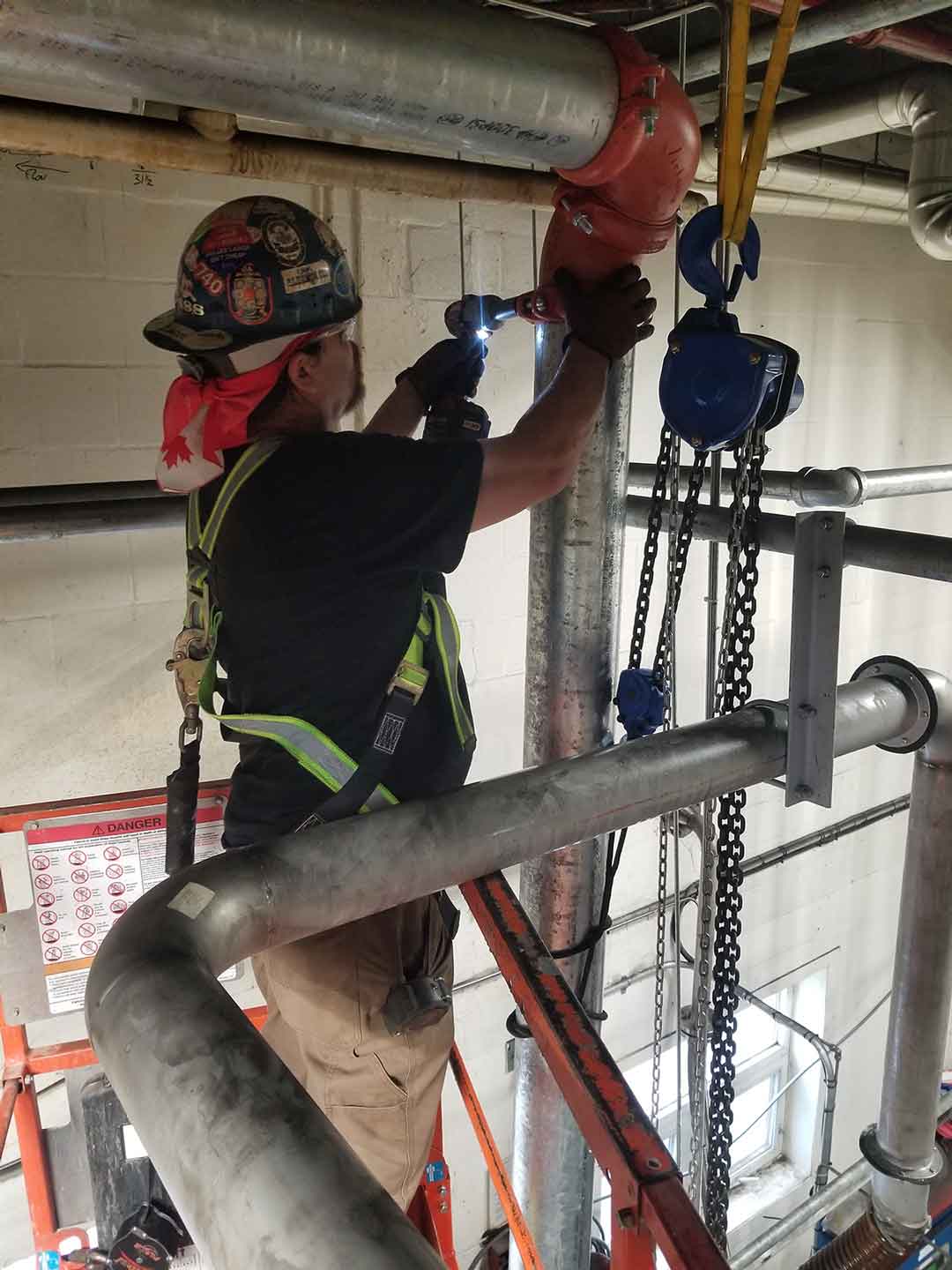
Worker in safety gear operating a hoist in an industrial setting.
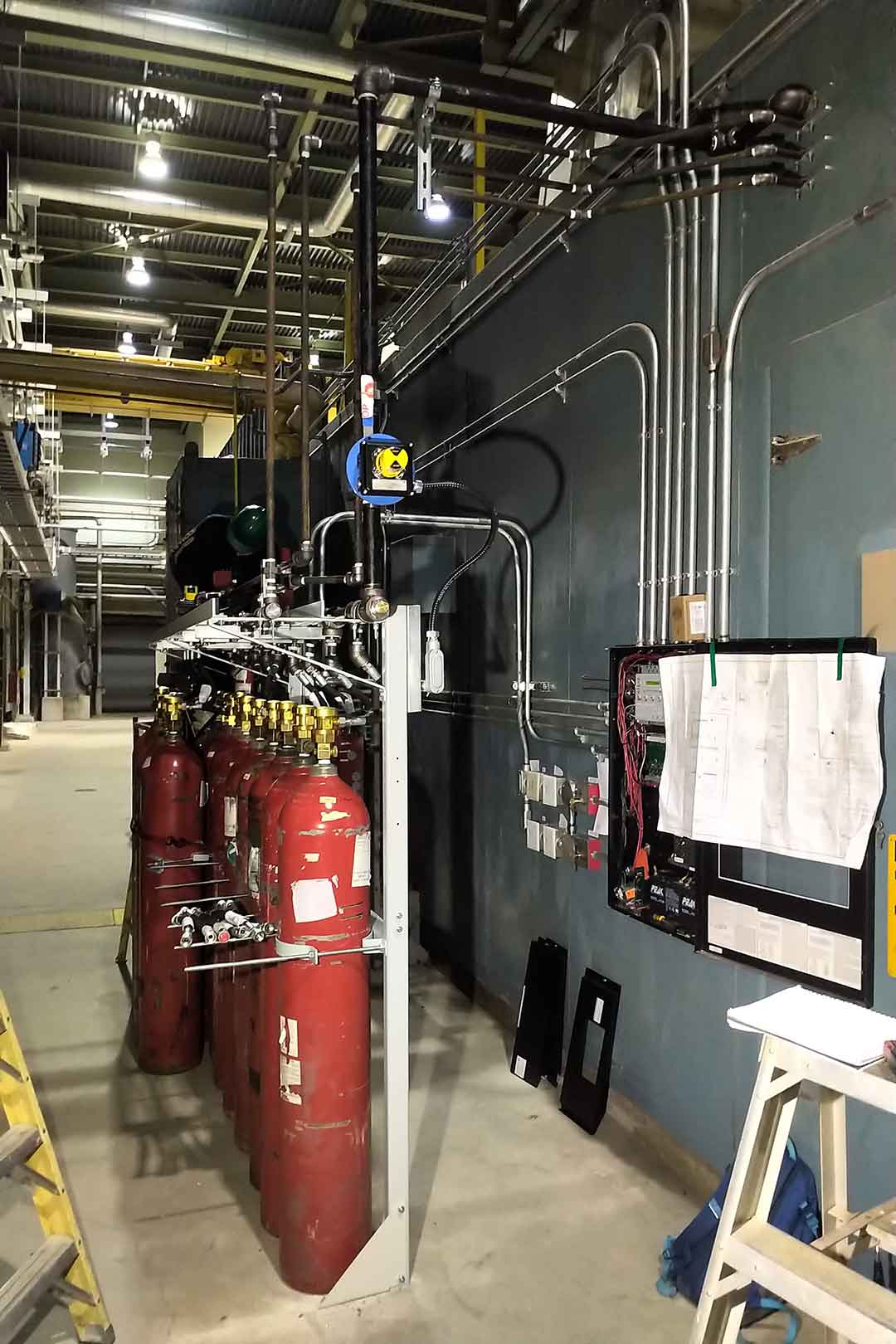
Industrial pipes and valves lined up in a factory setting with control panels.
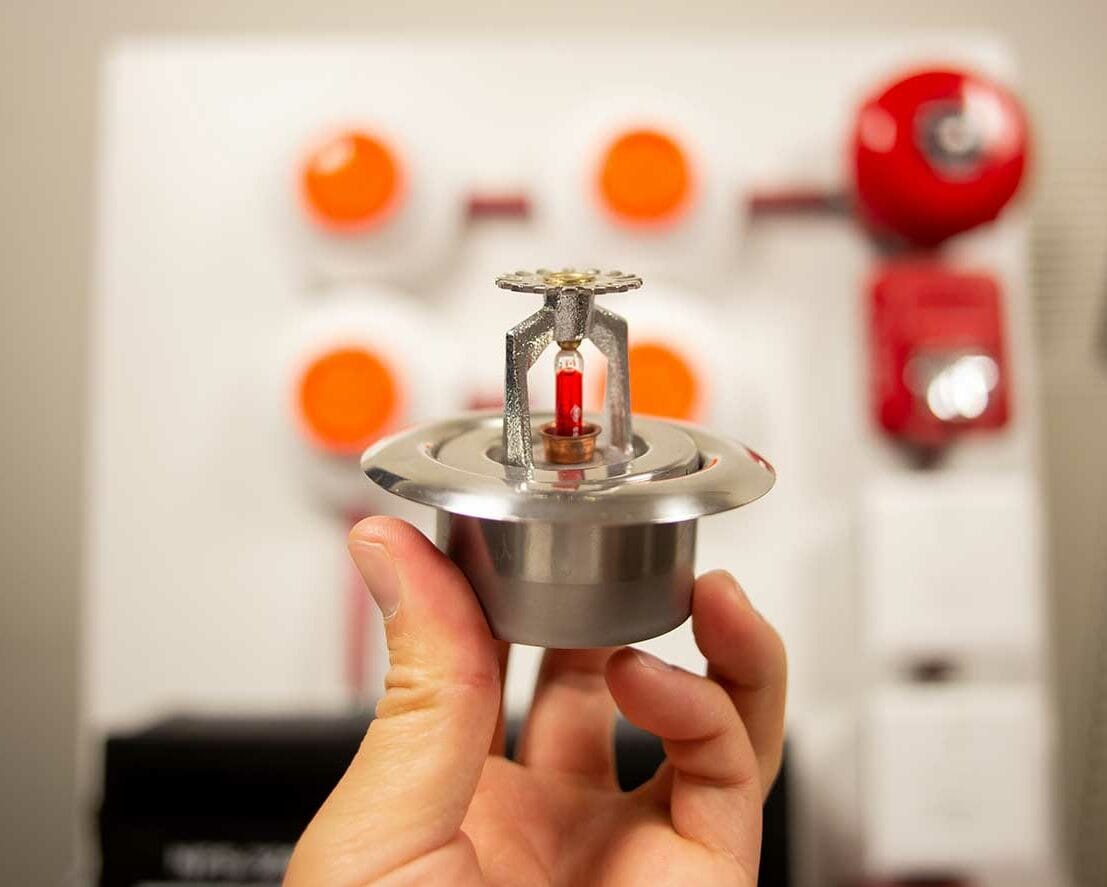
Hand holding a small industrial sprinkler head against a blurred background.

About Us

Taillon Fire Protection Inc. is a Fire Sprinkler company that has been set up to install, maintain, inspect, alter, repair and provide 24-hour emergency services for any and all types of fire sprinkler systems and related components in South Eastern Ontario. Taillon Fire is solely owned and operated by Journeyman Troy Taillon.

Operating from its office located in Kingston, Ontario since June 2010, Taillon Fire was established to serve all building structures in the commercial, residential, industrial, and institutional sectors, which have, or need, a fire sprinkler system. The creation of this business ensures local choice for building owners. Taillon Fire Protection Inc. is a Fire Sprinkler company that has been set up to install, maintain, inspect, alter, repair, and provide 24-hour emergency services for any and all types of fire sprinkler systems and related components in the Kingston and surrounding areas. Taillon Fire is solely owned and operated by Journeyman Troy Taillon, who is recognized in the industry for his work with fire pumps and fire fprinkler systems.

The automatic fire sprinkler was invented in 1874 by Henry S. Parmelee of Newhaven, Connecticut, to protect his piano factory, in response to exorbitantly high insurance rates, and patented it as what he called the “automatic fire extinguisher”. This system relied on solder, that melted in a fire, to plug holes in what would otherwise be open pipes configured along the ceiling area, to which the original patented manual sprinkler system was based on, only with open perforated pipes instead.

This original manual sprinkler system, invented in 1812 by Sir William Congreve, needed someone to notice a fire and operate a valve to activate the system, hence, the superiority of Henry’s practical automatic system, that was able to distinguish a fire by heat and automatically operate.

Henry entered into an agreement with Frederick Grinnell in early 1878 to manufacture the Parmelee sprinklers on a royalty basis.

In July in 1878 Mr. Parmelee patented yet another sprinkler design which had a rotary distributor to provide a more efficient way of water application, to which Mr. Grinnell incorporated some further design changes to reduce cost, at the same time, improve the sensitivity as well as to provide even more uniformed water distribution.

Frederick Grinnell soon realized further improvements to the water distribution and sensitivity of the Parmelee sprinkler were needed. In October of 1881, the “Grinnell-Sprinkler”, as it become known as, was born, and patented by Mr. Grinnell. The improvements of this sprinkler addressed thermal sensitivity, prevention of clogging, leak tightness under all water pressures and hammer, as well as the necessity for completely rupturing the solder joint before any water could escape and cold solder rendering it inoperative. Water discharge was through a ½” hole instead of slots or perforations, and distributed by means of a tooth-edged deflector. Thus, the basic groundwork for the orifice sprinkler of what we know today was laid.

Frederick Grinnell died in 1905 at the age of 69. As an engineer, inventor, an industrialist, he left an indelible mark on the development on the fire industry. Along with all the improvement he made in automatic sprinklers, he is also credited with inventing the wet alarm valve, dry pipe sprinkler system, fusible link for use in automatically closing doors, releasing alarm mechanisms, standpipe, and deluge systems.

Nine years before the death of the late Mr. Frederick Grinnell, he met in New York City with five New England mutual insurance companies on November 20th, 1896, to form the National Fire Protection Association (NFPA). The initial membership consisted of 20 rating organization and inspection bureaus. NFPA celebrated its centennial year in 1996 and still survives to this day providing a set of minimal standards and codes to which fire sprinkler systems and other fire protection related products are to be installed, tested, maintained, and repaired.

In July in 1878 Mr. Parmelee patented yet another sprinkler design which had a rotary distributor to provide a more efficient way of water application, to which Mr. Grinnell incorporated some further design changes to reduce cost, at the same time, improve the sensitivity as well as to provide even more uniformed water distribution.

Frederick Grinnell soon realized further improvements to the water distribution and sensitivity of the Parmelee sprinkler were needed. In October of 1881, the “Grinnell-Sprinkler”, as it become known as, was born, and patented by Mr. Grinnell. The improvements of this sprinkler addressed thermal sensitivity, prevention of clogging, leak tightness under all water pressures and hammer, as well as the necessity for completely rupturing the solder joint before any water could escape and cold solder rendering it inoperative. Water discharge was through a ½” hole instead of slots or perforations, and distributed by means of a tooth-edged deflector. Thus, the basic groundwork for the orifice sprinkler of what we know today was laid.

Frederick Grinnell died in 1905 at the age of 69. As an engineer, inventor, an industrialist, he left an indelible mark on the development on the fire industry. Along with all the improvement he made in automatic sprinklers, he is also credited with inventing the wet alarm valve, dry pipe sprinkler system, fusible link for use in automatically closing doors, releasing alarm mechanisms, standpipe, and deluge systems.

Nine years before the death of the late Mr. Frederick Grinnell, he met in New York City with five New England mutual insurance companies on November 20th, 1896, to form the National Fire Protection Association (NFPA). The initial membership consisted of 20 rating organization and inspection bureaus. NFPA celebrated its centennial year in 1996 and still survives to this day providing a set of minimal standards and codes to which fire sprinkler systems and other fire protection related products are to be installed, tested, maintained, and repaired.

A Little Backstory

The automatic fire sprinkler was invented in 1874 by Henry S. Parmelee of Newhaven, Connecticut, to protect his piano factory, in response to exorbitantly high insurance rates, and patented it as what he called the “automatic fire extinguisher”. This system relied on solder, that melted in a fire, to plug holes in what would otherwise be open pipes configured along the ceiling area, to which the original patented manual sprinkler system was based on, only with open perforated pipes instead.

This original manual sprinkler system, invented in 1812 by Sir William Congreve, needed someone to notice a fire and operate a valve to activate the system, hence, the superiority of Henry’s practical automatic system, that was able to distinguish a fire by heat and automatically operate.

Henry entered into an agreement with Frederick Grinnell in early 1878 to manufacture the Parmelee sprinklers on a royalty basis.

In July in 1878 Mr. Parmelee patented yet another sprinkler design which had a rotary distributor to provide a more efficient way of water application, to which Mr. Grinnell incorporated some further design changes to reduce cost, at the same time, improve the sensitivity as well as to provide even more uniformed water distribution.

Frederick Grinnell soon realized further improvements to the water distribution and sensitivity of the Parmelee sprinkler were needed. In October of 1881, the “Grinnell-Sprinkler”, as it become known as, was born, and patented by Mr. Grinnell. The improvements of this sprinkler addressed thermal sensitivity, prevention of clogging, leak tightness under all water pressures and hammer, as well as the necessity for completely rupturing the solder joint before any water could escape and cold solder rendering it inoperative. Water discharge was through a ½” hole instead of slots or perforations, and distributed by means of a tooth-edged deflector. Thus, the basic groundwork for the orifice sprinkler of what we know today was laid.

Frederick Grinnell died in 1905 at the age of 69. As an engineer, inventor, an industrialist, he left an indelible mark on the development on the fire industry. Along with all the improvement he made in automatic sprinklers, he is also credited with inventing the wet alarm valve, dry pipe sprinkler system, fusible link for use in automatically closing doors, releasing alarm mechanisms, standpipe, and deluge systems.

Nine years before the death of the late Mr. Frederick Grinnell, he met in New York City with five New England mutual insurance companies on November 20th, 1896, to form the National Fire Protection Association (NFPA). The initial membership consisted of 20 rating organization and inspection bureaus. NFPA celebrated its centennial year in 1996 and still survives to this day providing a set of minimal standards and codes to which fire sprinkler systems and other fire protection related products are to be installed, tested, maintained, and repaired.

In July in 1878 Mr. Parmelee patented yet another sprinkler design which had a rotary distributor to provide a more efficient way of water application, to which Mr. Grinnell incorporated some further design changes to reduce cost, at the same time, improve the sensitivity as well as to provide even more uniformed water distribution.

Frederick Grinnell soon realized further improvements to the water distribution and sensitivity of the Parmelee sprinkler were needed. In October of 1881, the “Grinnell-Sprinkler”, as it become known as, was born, and patented by Mr. Grinnell. The improvements of this sprinkler addressed thermal sensitivity, prevention of clogging, leak tightness under all water pressures and hammer, as well as the necessity for completely rupturing the solder joint before any water could escape and cold solder rendering it inoperative. Water discharge was through a ½” hole instead of slots or perforations, and distributed by means of a tooth-edged deflector. Thus, the basic groundwork for the orifice sprinkler of what we know today was laid.

Frederick Grinnell died in 1905 at the age of 69. As an engineer, inventor, an industrialist, he left an indelible mark on the development on the fire industry. Along with all the improvement he made in automatic sprinklers, he is also credited with inventing the wet alarm valve, dry pipe sprinkler system, fusible link for use in automatically closing doors, releasing alarm mechanisms, standpipe, and deluge systems.

Nine years before the death of the late Mr. Frederick Grinnell, he met in New York City with five New England mutual insurance companies on November 20th, 1896, to form the National Fire Protection Association (NFPA). The initial membership consisted of 20 rating organization and inspection bureaus. NFPA celebrated its centennial year in 1996 and still survives to this day providing a set of minimal standards and codes to which fire sprinkler systems and other fire protection related products are to be installed, tested, maintained, and repaired.

Our Services

Blue line icon of a water pipe with a valve and drop symbol.

Cross-Contamination & Backflow Prevention

Any actual or potential connection between a potable water supply in any pipe, vessel, tank, plumbing fixture or device through which it is possible for used polluted or contaminated water or any other substance to enter the potable water system.

Blue line art icon of a turbocharger.

Fire Pumps

A fire pump is part of a fire sprinkler's water supply and can be powered by electric, diesel or steam. The pump intake is either connected to the public underground water supplying piping, or static water source (eg tank, reservoir, lake, etc.) The pump provides water flow at a higher pressure in volume to the sprinkler system risers and hose standpipes.

Blue fire hydrant icon with simple design.

Fire Hydrants

A fire hydrant, fireplug or firecock is a connection point by which firefighters can tap into water supply. It is a component of active fire protection. Underground fire hydrants have been used in Europe and Asia since at least the 18th century. Above ground pillar-type hydrants are in 19th century invention.

Icon of a fire sprinkler spraying water downward.

Fire Sprinkler

A fire sprinkler system is a type of automatic extinguishing system that prevents fire growth and spread by releasing pressurized water through a series of sprinkler heads connected to a piping distribution system. Water is released through the head once the surrounding ambient temperature reaches 165F for the typical sprinkler system.

Have a question? Feel free to contact us

Phone Number

Emergency Services

24 Hours

Email Address

contact@TaillonFire.ca

Address

P.O. Box 24015
Kingston ON K7K 7A6